

Shopping for an air conditioner, especially in the middle of the heatwave, is definitely more overwhelming than it should be. Between different brands, features, and energy ratings it can all get a bit complicated. You could assume that the bigger, most powerful unit is always the better choice, but this actually isn't always the case. Choosing the right cooling capacity (measured in BTUs) is one of the most important factors in keeping your home cool and comfortable this summer.
Below is everything you need to know about BTUs, how to calculate the right size AC for your space, and other factors you could consider before making your purchase.

What is a BTU?
BTU stands for British Thermal Unit. A BTU is a unit of measurement that describes the amount of heat required to raise the temperature of one pound of water by one degree Fahrenheit. How does this relate to your AC unit? Well, BTUs measure the cooling capacity (or, in other words, how much heat an AC can remove from a room in an hour). The higher the BTU rating, the larger the space the unit is designed to cool.
Why It's Important to Choose the Right BTU
Finding the right BTU rating is a bit like the story of Goldilocks and the Three Bears. I know, it sounds a little insane, but I promise it makes sense!
Papa Bear's AC is oversized. It cools the room way too quickly, and shuts off before it has enough time to remove all the humidity from the air. The room may feel cold, but it can also feel clammy, which is the last thing you want. Because the unit will also sense that humid air, it will want to cycle on and off quite frequently, which isn't good for your electricity bill!
Baby Bear's AC is undersized. This unit would run almost constantly, trying to keep up with cooling a larger space than it's designed for. Unfortunately, though, this means that the room will never quite reach the temperature you want, as the unit is already struggling to keep up! The constant running puts extra strain on the system which can lead to a shortened lifespan.
Mama Bear, on the other hand, took the time to measure her space and choose the right-sized AC unit for her window. The unit cools the room efficiently, maintains a comfortable temperature, removes all the humidity, and operates without any unnecessary strain. Her energy bills are reasonable, and she gets a few more years out of her unit than Papa or Baby Bear.
The "just right" BTU rating provides the best balance of comfort, efficiency, and long lasting performance.
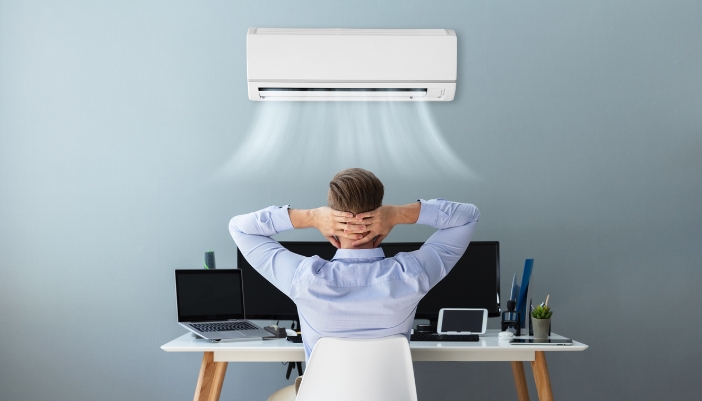
A/C Sizing Chart
Keep in mind that every home is a bit different, and these below recommendations are only a helpful starting point. Other factors can influence the ideal BTU rating for your home. It never hurts to double check with the professional and knowledgeable staff at Hallocks!
| Size (Square Feet) | Cooling Capacity (BTUs) |
|---|---|
| Up to 150 sq. ft. | 5,000 BTUs |
| 150-250 sq. ft. | 6,000 BTUs |
| 250-350 sq. ft. | 7,000 BTUs |
| 300-350 sq. ft. | 8,000 BTUs |
| 350-400 sq. ft. | 9,000 BTUs |
| 400-450 sq. ft. | 10,000 BTUs |
| 450-550 sq. ft. | 12,000 BTUs |
| 550-700 sq. ft. | 14,000 BTUs |
| 700-1,000 sq. ft. | 18,000 BTUs |
| 1,000-1,200 sq. ft. | 21,000 BTUs |
| 1,200-1,400 sq. ft. | 23,000 BTUs |
| 1,400-1,500 sq. ft. | 24,000 BTUs |
How to Calculate the BTUs You Need
Measure Your Space
The first step to determining what size AC you need is the square footage of the room you're trying to cool. I promise, it's easy! If you need the square footage of a square or rectangle room, simply multiply length x width.
For example: if you have a room that measures 15 feet wide and 20 feet long, simply multiply the two together. 15 x 20 = 300. Once you have this number, simply use the above chart, or an online BTU calculator (like found here) to narrow down your options!
But what happens if your room isn't a perfect square or rectangle? That's also pretty easy, and trust me, if I (the English Major) can make sense of it, you'll definitely be able to! For irregularly-shaped rooms, divide your space into smaller rectangle sections, and calculate each section separately. Then, add the totals together to get your total square footage!
Choose Your Climate Zone
Let's talk about climate. To be honest, this is something I didn't even consider when my husband and I were purchasing an AC this year. But, when you think about it, climate does play an important role in determining the cooling capacity your home really needs. Homes in hotter regions typically require more cooling power than homes that are in more cool climates. There are seven distinct zones:
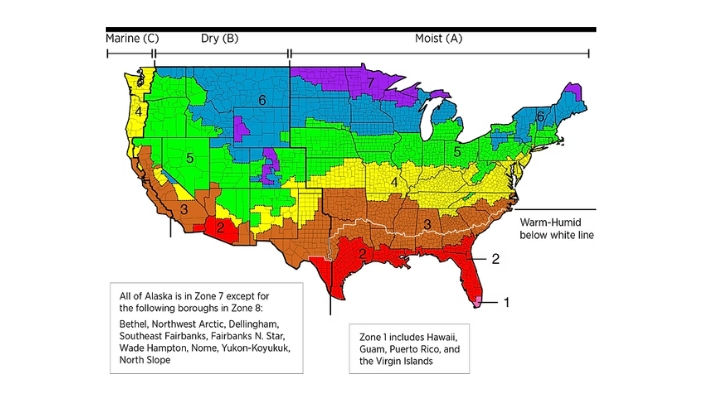
- Zone 1: Very Hot
- Zone 2: Hot
- Zone 3: Warm
- Zones 4 & 5: Mixed — Connecticut and most of the North East are in these zones
- Zone 6: Cold
- Zone 7: Very Cold
If you own a vacation home or a second property in another part of the country, don't just assume the same BTU recommendation will apply. For example, a beach home in Florida or Arizona will most likely require a different cooling capacity than your one in Connecticut -- even if the rooms are identical in size.
Consider Other Factors
Square footage is not the only thing you should be paying attention to when shopping for a new AC unit. Several additional factors can influence the number of BTUs needed to keep your house cool this summer.
- Sunlight Exposure: Rooms that have large, south-facing windows get quite a bit of sun late in the afternoon, when the day is at its hottest, which, in turn, increases the temperature of that room. These rooms may benefit from a slightly higher BTU rating to keep up with the heat. Keep in mind that this rings true for rooms that are heavily shaded -- you may get away with a smaller BTU rating because the room naturally stays cool.
- Ceiling Height: Everything mentioned earlier in this blog assumes that the rooms in your house only have standard eight-foot ceilings. If you do have vaulted or cathedral ceilings, these rooms are obviously quite a bit larger which may require additional cooling capacity.
- Number of People: Something we don't always think about is the fact that people generate heat. If the room you're trying to cool is regularly occupied by several people, you probably want to consider a larger cooling capacity. For example, my husband and I always have a group of our friends over on Thursdays for what we call "family dinner," and when all of us are in the living room, the AC (which is a perfect size for the room) does have trouble keeping up. When we had to replace it this year, we sized up to ensure we were all kept cool even through the hottest of heatwaves.
- Heat-Producing Appliances: Much like people, rooms that have multiple electronics tend to be hotter since these electronics are producing quite a bit of heat. Think your kitchen, laundry room, or home office. It wouldn't hurt to consider a higher BTU rating for these rooms, as well.
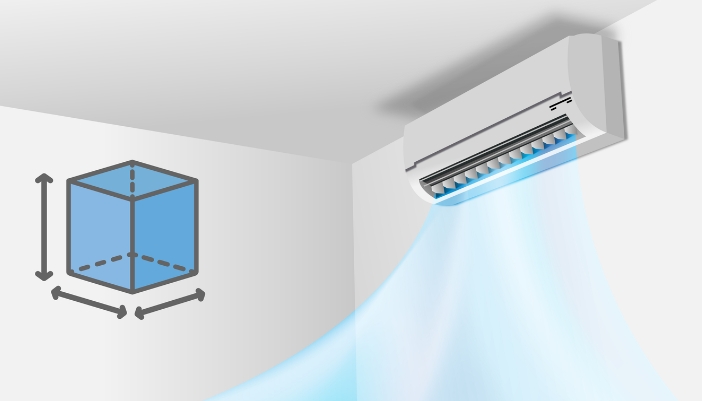
Check Your Work
After measuring your room and considering any additional factors, compare your calculations to the table above. If you want to be really accurate, the BTU calculator linked above should give you a very accurate answer on just what size you need to keep cool this summer.
If you're unsure, never hesitate to reach out to your local Hallock's dealer and speak to their professional and dedicated sales team. Choosing the correct AC for your space does not have to be complicated. If you understand BTUs, and can take a few simple measurements, you're already an expert and you're one step closer to finding the perfect unit for your home.