

“They don’t make them like they used to” is a phrase we hear often, and when it comes to home appliances, it’s not exactly incorrect. Gone are the days of the garage refrigerator that has been passed down from generation to generation. While today’s appliances are more energy-efficient and full of features we may or may not need, they don’t always last as long as their older counterparts. Since, at some point, everyone is in the market for a new appliance, it’s now more important than ever to understand just how long your appliances are likely to last, and how to recognize when something is just not worth repairing. With a bit of planning, you can avoid unexpected breakdowns and make smarter decisions for both your home and budget!
Average Appliance Life Expectancy
Most major household appliances fall within a predictable lifespan range, though actual longevity depends on how often they’re used and how well they are maintained. The below table outlines the average appliance lifespan:
| Appliance | Life Span |
|---|---|
| Refrigerators | 10–15 Years |
| Freezers | 10–20 Years |
| Range Hoods + Microwaves | 7–10 Years |
| Stoves (Electric + Gas) | 13–15 Years |
| Dishwashers | 8–12 Years |
| Washers | 10–14 Years |
| Dryers | 12–15 Years |
Refrigerators
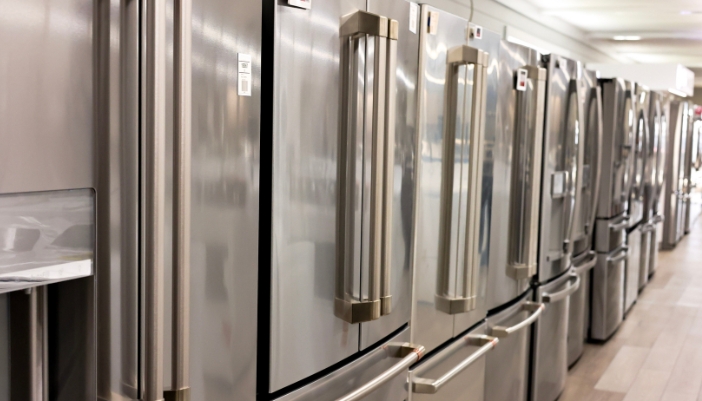
Your refrigerator is probably the most important appliance in your home, as it runs continuously to keep your food fresh and safe. Over time, however, even the best models start to show signs of wear. If you notice that your food spoils quicker than you’re used to, or the temperature seems inconsistent, it may be a sign that your refrigerator is losing efficiency. Other red flags include excessive condensation, frost build up, or noises you aren’t used to hearing coming from the motor. Also keep an eye on your energy bill. Older refrigerators tend to work harder to maintain the temperature, which can lead to a higher energy bill at the end of the month. If your unit is more than ten years old and requires frequent repairs, replacing it with a newer model may be a more practical choice.
Freezers
Though freezers have a slightly longer life-span than refrigerators, this does not mean that they are immune to wear and tear. The most common issue people see in aging freezers is the frost buildup. This frost buildup can indicate a problem with a seal or the defrost system. If you notice the motor running constantly, or your food not staying completely frozen, it may be time to get a replacement. When your freezer starts to struggle, it can quickly lead to wasted food or higher energy costs.
Range Hoods & Microwaves
Range hoods play an important role in your kitchen, even when we forget about them. Because they’re not always top-of-mind, issues can go unnoticed until performance declines significantly, and suddenly your kitchen remains smoky or retains strong cooking odors. If you start to notice excessive noise, failing lights, or a fan that doesn’t seem to be pulling smoke and odors like it used to, it may be time to look into a replacement.
Microwaves are quite similar to range hoods - it’s hard to really pinpoint exactly when it is going to fail, but there are tell-tale signs that it is struggling. They may begin to heat food unevenly, or take longer than usual to heat your food to the temperature you want. Or, if you live in my house, the main display doesn’t work, so there’s a lot of guess work involved.
Because microwaves and hoods are generally more affordable in comparison to other appliances, repairs are often not worth the investment. When performance declines or safety becomes a concern, replacement is typically the simplest and most practical solution.
Stoves
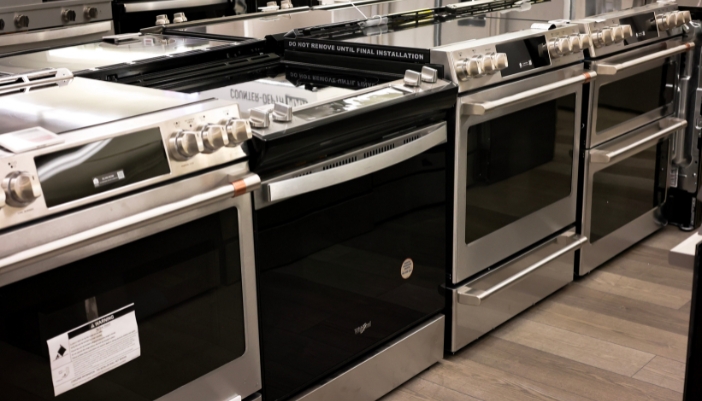
Stoves are one of the most durable appliances in your kitchen, but their lifespan and maintenance needs can vary depending on whether or not it is gas or electric.
Gas Stoves
Gas stoves are often praised for their longevity and responsiveness, though they can develop issues with ignition systems or burner performance over time. If burners fail to light consistently, or flames appear weak or uneven, it may indicate a deep problem and it may be time for a service call.
Electric Stoves
Electric stoves, on the other hand, rely on heating elements that can degrade with use. You might notice burners heating unevenly, taking longer to reach temperature, or failing all together. Sometimes, you can even see when the burner has a dark spot, meaning it's not heating up in that area. With glass-top models, also keep an eye for any cracks or damage to the top, which also signifies that it is time for a replacement.
Dishwashers
It’s unfortunate that dishwashers have a shorter life-span than most other appliances. This is because they are heavily used, and are constantly exposed to water, heat, and detergent. If your dishes stop coming out clean, or you notice water pooling at the bottom of the unit, it may be time to investigate further. Leaks, rust, and increased noise during operation are also common signs that your dishwasher is nearing the end of its life. While minor issues can be repaired, repeated problems often make replacement more cost effective.
Laundry Appliances
Much like dishwashers and stoves, washers typically have a shorter lifespan due to the constant exposure to water.
Washing Machines
Washing machines handle heavy loads on a regular basis, which leads to wear over time. If your machine becomes excessively noisy or vibrates more than usual (especially during the spin cycle), it could indicate problems with the drum or internal components. Leaks are another common warning sign, as are any issues in terms of spinning out or draining properly. If you notice that your clothing is starting to come out less clean, it may be worth calling in a service call, as this can also indicate a decline in performance.
Gas & Electric Dryers
Both gas and electric dryers offer similar lifespans, though their issues have the potential to vary slightly. One of the most common signs of trouble is longer drying times, which can indicate a problem with heating elements, airflow, or internal sensors. Along with the aforementioned, dryers may also start to make unusual noises, overheating, or even a burning smell - all things that should be addressed sooner rather than later.
Final Thoughts
No appliance lasts forever, but understanding the typical lifespan of the ones in your home can help you stay prepared. Paying attention to performance changes, unusual noises, and rising energy costs can give you an early warning sign that it may be time to look at a replacement. Often, replacing an aging appliance before it fails completely can save you time, money, and frustration. Newer models are not only more efficient, but also come with improved features that make everyday tasks easier. By staying proactive, you can keep your home running smoothly and avoid being caught off guard if an essential appliance fails.