Unless you are completely offline, you are probably aware of just how integrated AI is becoming in our lives. In recent years, it seems as though AI is everywhere, and that is beginning to include newer kitchen appliances. How does AI even work in your kitchen appliances? It’s simple, really. Even though it seems like science fiction, appliances are starting to think, learn, and adapt to us. From suggesting what to cook, to alerting you when maintenance is due, AI is going to transform our daily routines. Of course, with any new technologies there are always concerns - privacy, cost, complexity. In this post, we’ll explore what it means to have AI in your home appliances; the upsides, the downsides, and everything in between!
AI in Appliances Explained
What does AI in home appliances look like? Does your dryer automatically fold the clothing when it’s done? Does your refrigerator generate a shopping list based on what’s missing from its shelves? Unfortunately, no, AI is not that advanced (yet). AI in your home appliances, per Forbes, means embedding algorithms into everyday devices, enabling them to learn from our usage patterns to predict our needs, and they will adapt their functionality automatically to meet our needs. Generative AI will be used in appliances to create a more natural and conversational interaction between the users and the appliances. For example, you would be able to ask your washing machine whether a delicate garment is safe to wash on certain settings, or you can ask your refrigerator when you’re likely to run out of milk. Some manufacturers are even integrating AI for cooking assistance - your range could soon suggest recipes, or optimal cooking modes based on what’s inside. I know it seems like we are in some sci-fi movie, but this is the reality of what is coming next to your household appliances.
Benefits of Appliance AI
- Smart Automation
- AI-enabled appliances can simplify life in ways that we haven’t even imagined yet. You can start to preheat your oven on the way home from work, get a notification when your laundry is done, or even have your fridge plan a meal based on what is inside. And, as appliances manufacturers start to get more advanced with AI and their smart capability, many will have centralized control platforms to manage all your appliances in one place!
- Efficiency
- With AI being added into our appliances, they will ultimately get more efficient. Some smart washing machines will start to adjust your cycle based on load size and fabric type, leading to cleaner clothing with less waste! Same goes for your refrigerator and oven - wouldn’t it be nice to get offered cooking suggestions based on what’s in your fridge, or what’s about to expire? This leads to less food waste and cost.
- Personalized Experience
- You know how your phone gets to know your habits once you have it for a while? Every Thursday, my maps will send me a notification to tell me how long it takes to get to my friend’s house, because it knows that every Thursday we have dinner. Imagine if your appliances could do that same thing? With AI, overtime your appliances start to learn your behaviors. For example, if you always wash certain items gently, it will create a custom cycle for just those garments.
- Predictive Maintenance
- Wouldn’t it be great if your appliances could give you a heads up that there’s going to be an issue? With AI, this might be possible. Your refrigerator could alert you that there’s a small, but steady cooling decline, allowing you to address it before it becomes a bigger problem. AI integration could extend the lifespan of your appliances, and help you avoid costly breakdowns.
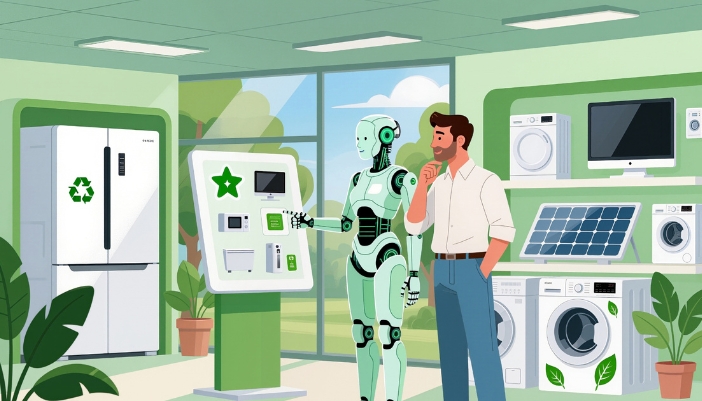
Limitations of Appliance AI
- Cost
- Smart, AI-enabled appliances typically come at a premium compared to traditional models. Unfortunately, the convenience of advanced features aren’t the cheapest. For many households, the initial investment may seem steep, so the question becomes: is it worth it?
- Complexity & Dependence on Connectivity
- If I am being completely honest, for being a thirty-one year old woman who grew up with technology, I am not very good at using it. My husband loves to tease me about the trouble I seem to have with the Apple TV remote. It leaves me to wonder if I want to deal with the hassle of having my appliances need to be connected to an app. Not only that, but what happens if there were an outage? Does it render your appliances unusable? Or are they still able to function as traditional models?
- Privacy & Data Concerns
- Everyone is concerned with their privacy in the 21st century - especially when it comes to our smart devices tracking our every move. Smart appliances are going to do the same thing our cellphones do; they will collect data such as usage patterns, ingredients, and schedules. This raises legitimate concerns about what happens with that data, how it’s stored, and who can access it.
- Complexity of Repairs
- AI-enabled devices often rely on software, regular updates, and sometimes cloud connectivity. This means that, eventually, older models may fall out of software and cloud support. Something that was once considered the “smartest” could soon become obsolete as the technology continues to be developed. Not only is there the risk of the software being obsolete, repairs that may be needed might require specially trained technicians with specialized knowledge about the software and AI components, meaning repairs can be more complex, and more costly.
The Future of Smart Appliances
What’s next for AI in your home? Expect to see a more widespread integration; AI won’t just be in your kitchen and laundry appliances, it will be integrated into thermostats, air purifiers, security systems, lighting, cleaning robots, and more! Your whole house could be one, centrally controlled ecosystem. Admittedly, we are not far from having completely automated households. We can expect appliances to get smarter (with predictive intelligence) and more energy efficient (helping to conserve water and energy with optimized utilization).

Is it Worth It? (Summary)
- Prioritize your needs over a cool feature. If there’s no need to spend the extra for AI-enabled appliances if that’s not going to fit your lifestyle.
- Choose appliances from brands that commit to long-term software support so you don’t get stranded with an appliance that needs an update.
- If you are going to dive into the world of AI-enabled appliances, definitely make sure you are using strong passwords, and understand what data the appliances will be collecting from you.
- Make sure you have a fail-safe for your automated appliances - there would be nothing worse than being locked out of your cooking or laundry because of a network outage.
In Conclusion
AI in home appliances is no longer something that will happen in the future - it is fast approaching and will soon change how everyday people cook, clean, and care for our homes. From personalized settings to predictive maintenance, the potential benefits are exciting! But as with any major technological shift, those conveniences come with important considerations: cost, complexity, privacy, and long-term support.
Ultimately, it is a personal decision if AI-enabled appliances are worth it. It depends on your lifestyle and your comfort with technology. For some, the streamlined routines, improved efficiency, and automated features will fit into their lives perfectly. For others, the added cost or reliance on connectivity outweighs the perks. As smart technology becomes more common, the key is making informed choices; choose devices that solve real problems, understand how your data is used, and ensure you’ll be supported long after purchase.
AI may not fold your laundry or stock your refrigerator (yet), but it is transforming the modern home. As these technologies continue to evolve, consumers who stay thoughtful and intentional about what they bring into their homes will be best positioned to enjoy the benefits without the unexpected downsides. In the end, embracing AI in your appliances doesn’t require jumping in headfirst - you can take your time, do your research, and talk to your trusted sales team at your local Hallock’s dealer to better understand what it means to have AI integrated into your appliances.