
When it comes to the kitchen, many homeowners are familiar with range setups, but for some, this all-in-one cooktop and oven isn’t compatible with their hookups. In fact, many homes offer the space and option for separate cooktops and wall ovens. A single or even a double wall oven is a fantastic option for those looking for versatile cooking options. Both ranges and wall ovens accomplish the same goal (cooking your favorite meals), but the way they function, look, and fit in your space is very different.
If you’re not sure which route is best for you, this guide breaks down the key differences so you can make the decision that works for your kitchen!
What is a Range?
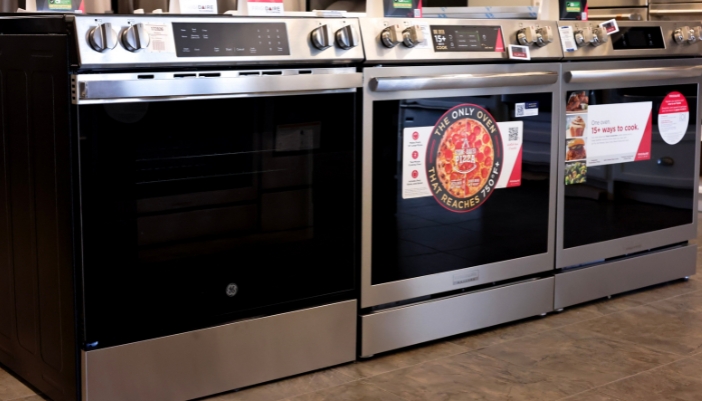
A range is a single appliance that combines both a cooktop (burners on top) and oven (below) into one combined unit; this style is what you typically see in most kitchens because they’re simple, efficient, and space-conscious. Usually, these appliances are designed to sit in between your counters. Now, there are different types of these ranges, and if you need help navigating which is right for your home, check out our blog post.
What is a Wall Oven?
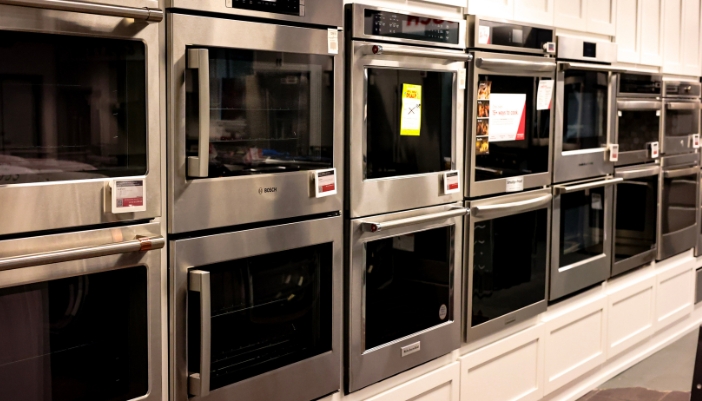
A wall oven is a standalone oven that is designed to be installed directly into your cabinetry (eye or chest level), rather than beneath a cooktop. Since wall ovens do not include any burners, they are often paired with a separate cooktop installed elsewhere on the counter. Having two separate pieces gives your kitchen a more customized look, and allows you to position them where you see fit. A separate wall oven and cooktop can be found in most newer kitchens, as they are easier to access, you have more flexibility in placement, and it’s a more built-in and streamlined appearance. Even better - wall ovens come in a double or single, so you’re easily able to meet your cooking needs.
Key Features
Both ranges and wall ovens offer a variety of cooking features, but their designs influence how those features can be used.
Ranges
Ranges are designed for convenience with their all-in-one functionality. The most common features include:
- Cooktop burners (gas, electric or induction)
- Single oven cavity (select models offer a double oven option)
- Convection cooking
- Storage or warming drawer
- Backguard or front-mounted controls
Wall Ovens
Wall ovens focus on baking, roasting, and broiling performance. Because they don’t include a cooktop, they often come with more specialized oven features, such as:
- True convection systems for baking
- Multiple oven cavities
- Advanced cooking modes and precision controls
- Sleek touchscreen
- Flush installation for a built-in look
Average Sizes
Ranges
Because ranges are standard sizes, and are meant to fit in between openings in your counter, replacing them down the line is much easier. Below are the three most coming sizes, from most to least popular:
- 30 inches (most common)
- 36 inches (larger, more premium models)
- 24 inches
Wall Ovens
Wall ovens are built into cabinetry, so sizing is much more specific. Common cutout widths include:
- 24 inches
- 27 inches
- 30 inches (most common)
Please note that cutout dimensions can vary by model, even within the same category. A careful measurement is essential to ensure a proper fit.
Cost and Installation
Budget and installation requirements can play a major role in your decision. Use the below guide to figure out which is best for your kitchen!
Ranges
Ranges are usually the more cost-effective option because you’re purchasing one appliance instead of two. Ranges have a simpler installation, and only minimal cabinetry modifications (if any are needed at all). Ranges typically start around $600, and can go well into the thousands depending on the size and features you are looking for. For many homeowners, rangers are the most practical and cost-effective choice.
Wall Ovens
Wall ovens are more expensive than your typical range, especially when you are pairing them with a separate cooktop. Wall ovens start around $1200 for a single oven, and $2500 for a double oven. Not only do wall ovens have a higher up-front cost, their installation is more complex, sometimes even requiring cabinet modifications.
Maintenance and Repairs
Something most people don’t always consider is the cost of any future repairs that may be needed on their appliances. And, believe it or not, sometimes there is a difference in the price.
Ranges
Because ranges are a singular unit, maintenance is pretty straightforward. With that being said, though, if something major fails, then it can mean replacing the entire appliance even if the burners still work perfectly fine.
Wall Ovens
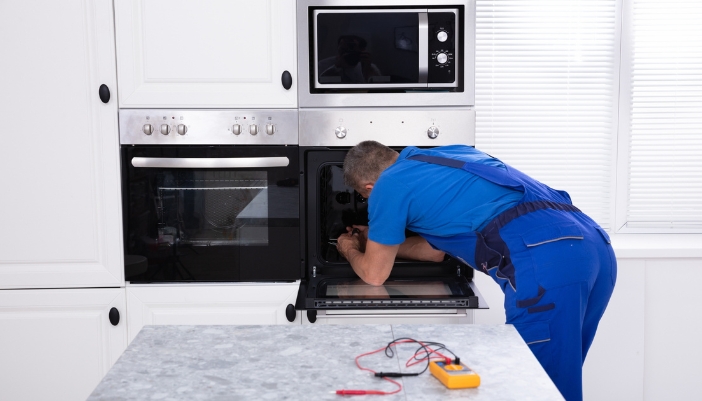
Since wall ovens and cooktops are two separate appliances, this can actually be an advantage since the individual components can be repaired or replaced separately. With that being said though, built-in installation may make servicing more complex, and may even require multiple technicians due to the size.
The Verdict
So, which is better then? A range? Or a wall oven?
As I say in almost every blog, there is no right answer. It depends on your kitchen, your cooking habits, and what your priorities are. If you want a cost-effective, space-saving and easy to install solution, maybe a range is best for you. If you are more interested in higher end features, want that seamless built-in install, and budget isn’t a factor, maybe a wall oven would be a better fit.
At the end of the day, whether you ultimately decide on a range or wall oven, the goal is the same: creating a kitchen that makes cooking easier, more enjoyable, and tailored to your wants and needs.