If you're up to date with the news, you've probably heard the phrase "right to repair." It's been a hot topic lately, as consumers, manufacturers, and lawmakers debate who should be able to repair the products we own. From your cellphone to household appliances, right-to-repair legislation is changing the way distributors support products after they're sold to a consumer. But what exactly does right to repair mean for your appliances, and how does it affect you in the long run?
At Hallock's we are committed to helping homeowners make informed decisions about their appliances. Below is everything you need to know about the right to repair, and why it's great news for appliance owners.
What is "Right to Repair?"
To put it simply, the right to repair is the idea that consumers and independent repair professionals should have reasonable access to parts, tools, software, and documentation needed to repair the products owned by consumers. In other words, the original equipment manufacturers, or OEM, cannot limit who touches their products.
Historically, a lot of OEMs have limited access to replacement parts, repair manuals, diagnostic software, or specialized tools. In some cases, we as the consumers, had little choice but to use the manufacturer-authorized service providers, or replace the product entirely if repairs were not feasible. With this new legislation, OEMs are required to make repair resources more widely available, and while the specifics vary from state to state, these laws do generally require the OEM to produce independent repair businesses and consumers with access to all the same information they have: including parts, repair information, and diagnostic tools that are needed by the service technicians.
Why is This Important?
There are a number of reasons why this legislation is important, but the main reason: when appliances are easier to repair, everyone benefits.
Repairs Become More Accessible
Improved access to replacement parts is a huge benefit to the right to repair legislation. When manufacturers are required to make parts available, independent repair companies can often complete repairs quickly, without needing to rely on limited and spotty supply chains. This means less down time for you. When your service technician doesn't need to spend days researching where to get the board for your stove, he can simply go back to the office, order it, and return in a few days to replace it. There's no need for you to wait on the OEM, or be stuck with their pricing, since everyone has access to the same information and products they do.
Appliances Last Longer
As we all know, major appliances are a significant investment. When you purchase a refrigerator or washer, you typically want it to last you longer than a couple of years. If the OEM decides that after two years, they are no longer selling the parts to repair your appliance, where does that leave you? Because manufacturers are required to keep replacement parts in production long after purchase, repairing an appliance is oftentimes more cost effective. Extending the appliance's lifespan helps homeowners get more value from their original investment.
Less Waste
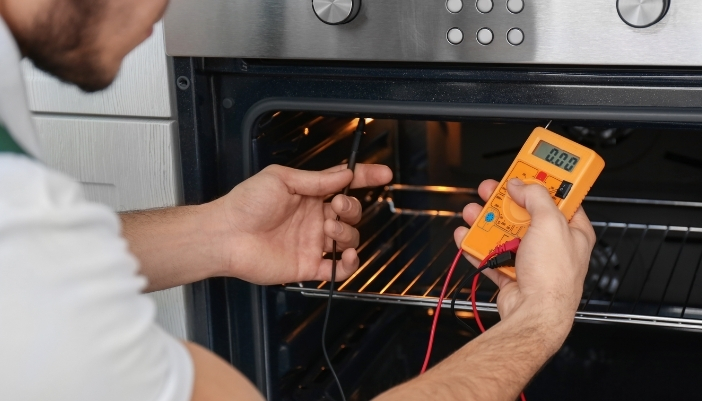
Every single year, millions of appliances and electronics end up in landfills, even when they could have been repaired. Making repairs more accessible to the general public helps to reduce unnecessary waste by keeping your appliances and electronics running for longer. Choosing a repair over a replacement conserves raw materials, reduces manufacturing demand, and minimizes the environmental impact that comes with disposing of household appliances.
Consumers Save
There's no argument that replacing a major appliance is expensive. Imagine if three years into having your refrigerator, it breaks. You have a service technician out and they tell you "sorry, but parts are no longer available for this specific model, you'll need to purchase a new one." You'd probably be a bit annoyed, seeing as you just bought it. With the right to repair, the OEM will be required by law to continue producing replacement parts for a set period of time after manufacturing. That way, you're not forced to get rid of an appliance that would otherwise be fine with a quick and straightforward repair.
How Does This Affect You?
In Connecticut, our lawmakers have taken steps to strengthen the consumer's ability to repair their products. Senate Bill 3, which passed in 2025, expands CT's existing right to repair laws by requiring manufacturers of certain products (household appliances included) to produce replacement parts, repair documentation, diagnostic tools, and specialized equipment on fair and reasonable terms for independent repair companies and product owners. This law is specifically designed to improve long-term access to repairs.
For appliance owners, this means that the OEM will be required to make key repair resources available for a specified period after a product is manufactured, helping ensure that replacement parts remain accessible. Just keep in mind, while the OEMs are required to comply with the law, it does not eliminate important safety standards or warranty protections. All repairs involving gas appliances, electrical systems, or complex components should still be performed by trained professionals to ensure the appliance operates safely and correctly.
As these laws begin to take effect, you should expect to see greater transparency from the OEMs, and more repair options than ever before.
What Does This Mean for Your Appliances?
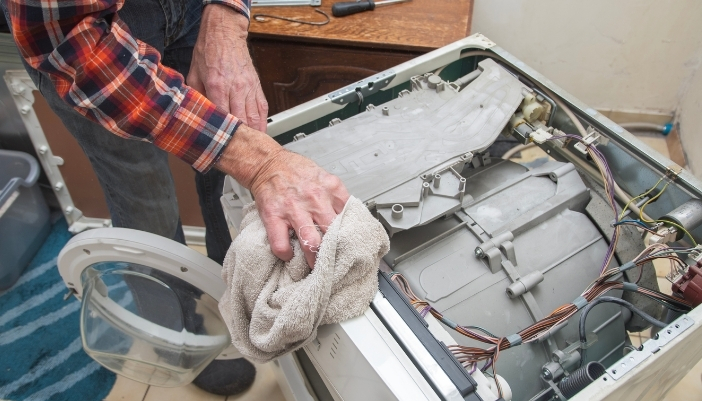
Don't worry, if you aren't handy enough to fix your own appliances (my husband and I certainly are not), you will still be able to schedule a professional repair appointment. In fact, this right to repair legislation makes it easier for third party servicers to help consumers get their appliances back up and running with little to no hassle from the OEMs.
By ensuring that third party servicers have access to replacement parts and diagnostic information, your appliances can get serviced in a more timely manner. Instead of waiting weeks for hard-to-find parts, technicians will have improved access through OEM support. Right to repair is a good thing! It means less downtime, better availability of parts which previously would have been discontinued, more options for qualified service providers, and longer lasting appliances.
Keep in mind though, just because the right to repair laws make repairs more accessible, replacing your appliance might still be the better choice. If an appliance is reaching the end of its life, requires multiple repairs, or has caused your electricity bill to spike, investing in a newer model may save you money over time.
If you're not sure which route to take, Hallock's experienced sales and service team can help you evaluate your appliance and determine the best path forward.
In Conclusion
The right to repair is ultimately about giving the power back to the people. By OEMs being required to give access to replacement parts and repair information, these laws help homeowners protect their investments, reduce waste, and keep their appliances running longer.
Whether your refrigerator isn't cooling as efficiently as it used to, your washer won't drain, or your oven won't keep temperature, you do not need to navigate repairs alone. At Hallock's the team is there to answer your questions, help determine whether a repair is better than a replacement, and provide you with the products and services that keep your home running smoothly.
As the right to repair laws continue to evolve and come into effect, one thing remains the same. Hallock's is committed to helping their customers get the most out of every appliance they own.