Nothing says, “summer in New England,” like pulling out the grill from storage at the first hint of a nice day. Whether you’re cooking burgers for a backyard barbeque, smoking ribs low and slow, or grilling vegetables for a weeknight dinner, the fuel powering your grill plays a major role in your outdoor cooking experience. If you’re in the market for a new outdoor grill, keep in mind that your fuel type affects everything from flavor to operating costs. How do you narrow down what’s right for you when people tend to swear by their own preferred method? That answer depends on what you spend most of your time grilling, and what kind of flavor you're looking for.
Let’s break down the four most common grilling fuels and how they compare.
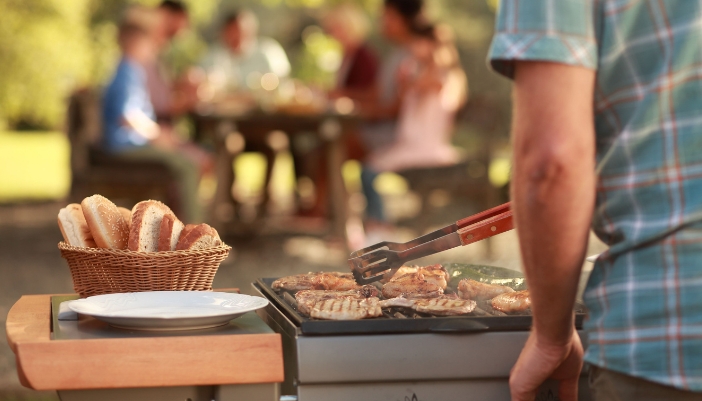
1. Charcoal
For many barbeque lovers, charcoal remains the best grilling fuel. Charcoal grills are known for producing the rich, smokey flavor that many people associate with traditional outdoor cooking. Unlike gas grills, charcoal grills require time to light, heat, and manage throughout the cooking process, and though they do require a bit more extra effort, many people think that they’re well worth it for superior flavor.
Lump Charcoal
Charcoal is made by burning wood in the absence of oxygen, and lump charcoal is the product of this process in its purest form (pieces of wood from a tree, burned down to be chunks of charcoal with no added chemicals). Because there are no added chemicals, lump charcoal is considered the more natural option.
- Performance: Lump charcoal ignites quickly, and burns extremely hot, making it ideal for searing steaks, burgers, and other foods that benefit from cooking at high temperatures.
- Cost: Because lump charcoal is the more natural option, it generally costs a bit more than its counterpart, charcoal briquettes. It’s important to keep in mind that because lump charcoal burns at such a high heat, you may burn through this faster in general.
- Flavor Development: One of lump charcoal's biggest advantages is flavor. Because it’s made from natural hardwood, it creates a clean, authentic wood-fired taste with subtle smokey notes that other charcoals cannot compete with, try as they may.
- Burn Time: Lump charcoal burns hotter, but generally burns out faster than briquettes; it may require refueling during extended cooks.
- Maintenance & Cleaning: Since lump charcoal contains fewer additives and fillers, it usually produces less ash, making cleanup relatively simple.
Charcoal Briquettes
Unlike charcoal lumps, charcoal briquettes are manufactured using compressed charcoal dust, wood byproducts, and binding materials; their uniform shape helps create a consistent cooking condition.
- Performance: Briquettes burn at a steady, predictable temperature, meaning they’re great for beginners or anyone that doesn't have the time to manage how their charcoal is burning.
- Cost: Charcoal briquettes are one of the least expensive options for grilling fuel; they can be found nearly everywhere during grilling season.
- Flavor Development: While this fuel option still provides a great flavor profile, some grilling experts prefer the bolder flavor they get from burning lump charcoal.
- Burn Time: The burn time on charcoal briquettes is much longer than lump charcoal. They maintain heat well (and at an even temperature) and are especially useful for low-and-slow cooking.
- Maintenance & Cleaning: Because of the binders and additives used during manufacturing, charcoal briquettes leave behind more ash than lump charcoal.
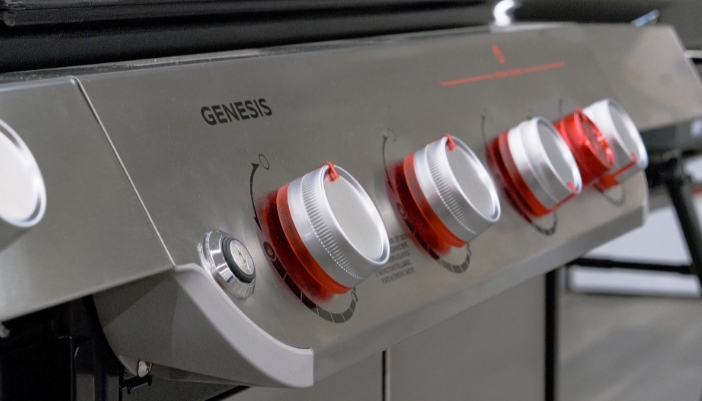
2. Gas
Gas grills have gained popularity in recent years for one main reason: convenience. With the push of a button, a gas grill can be ready for grilling within minutes. Temperature adjustments are simple, cleanup is easier, and there’s no waiting for coals to ignite or cooldown. While most people opt for a propane grill, if you have a natural gas hookup, you can also choose to tap right into that.
Propane
Propane is the most common fuel type in residential gas grills; fuel is stored in a portable tank that can be refilled or exchanged as needed.
- Performance: Propane grills heat up quickly and offer excellent temperature control, which makes them versatile enough for everything from burgers and hot dogs to vegetables and seafood. Because burners are controlled individually, one half of your grill can be set to a higher temperature, while the other half can be left to slow roast something.
- Cost: Depending on how often you use your grill, you may be getting your propane tank refilled or exchanged quite often. Typically this runs about $4-$5 per gallon.
- Flavor Development: While propane itself doesn’t add any smoky flavor to what you’re grilling, many grill owners use smoker boxes or wood chips to add additional flavor if they choose to do so.
- Burn Time: Your burn time really depends on how much you use your grill. If you don’t use it too often, one tank may last you an entire season. If you use your grill every weekend, well, that may require a refill every weekend or so.
- Maintenance & Cleaning: There’s generally no clean up when you use propane as your fuel source, which is great! Typically the standard cleaning you do on your grill (burners, cooking grates, and grease trays) once you’re done cooking is sufficient.
Natural Gas
If you have natural gas available, you may want to look into getting a gas grill that can hookup directly into your fuel line. This means you would have a constant fuel supply, and you don’t need to worry about purchasing charcoal or making sure your propane tanks are full and ready to go prior to a big weekend BBQ.
- Performance: Natural gas grills and propane grills perform the same way. From fast heat up times and consistent temperature, to the easy clean up!
- Cost: Natural gas grills often require a plumber to complete the installation, since the fuel source is coming directly from your natural gas line. Though the installation costs are more, typically natural gas will save you some money over time.
- Flavor Development: Much like propane, natural gas does not create that smokey flavor, but you can always add a smoker box if that smokey flavor is something that you’re missing!
- Burn Time: Since this grill is hooked directly into your natural gas line, there’s no worry about running out in the middle of your barbeque (and there’s also no reason to have to worry about refilling a propane tank)!
- Maintenance & Cleaning: Maintenance requirements are identical to any propane grill - just take a look at your burners, cooking grates, and grease trays and ensure they are clean.
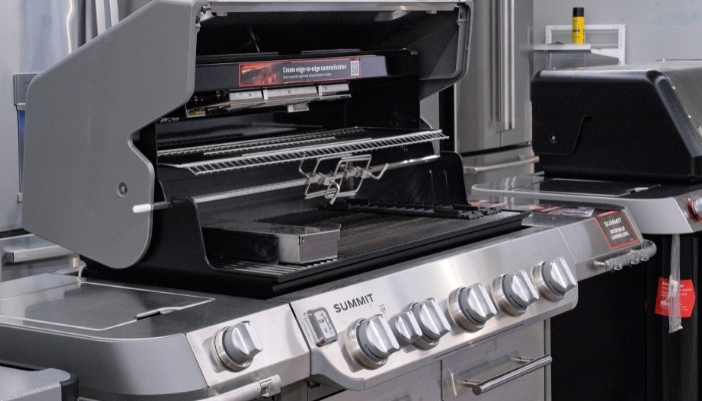
3. Wood
Wood-fired cooking combines grilling and smoking into one, and wood fuels have become increasingly popular over the years thanks to pellet grills, smokers, and hybrid cooking systems. Unlike gas grills, wood offers some of the best distinctive flavors, due to the different types of wood you can burn.
Wood Pellets
A wood pellet is exactly as it sounds – compressed hardwood sawdust formed into small, uniformed cylinders. These are typically used in pellet grills and smokers.
- Performance: Pellet grills are specifically designed to maintain consistent temperatures, and are one of the easiest ways to get authentic wood-fired flavor.
- Cost: While more expensive than charcoal, wood pellets are still cheap enough to keep the grilling going all summer long!
- Flavor Development: The main selling point for pellet grills (and wood pellets in general) are the flavor profiles. Depending on what type of wood pellets you’re using, they can create flavors that are mild and sweet to bold and smokey. Here are only some of the options you have: Hickory, Mesquite, Oak, Apple, Cherry, and Pecan.
- Burn Time: Pellets are efficient and can maintain a stable temperature for hours with minimal supervision, making them a great option if you don’t want to be stuck at your grill all afternoon!
- Maintenance & Cleaning: Wood pellets, thankfully, do not require too much cleanup. Simply remove the ash, and check the auger in your grill to ensure there’s no blockage and you’re good to go.
Wood Chips
Wood chips are mostly used more as a flavor enhancer, rather than a primary fuel source. They can be added to charcoal grills, gas grills, or smokers.
- Performance: Wood chips create smoke quickly, and are excellent for infusing foods with that signature barbeque flavor we all love. It’s a quick and inexpensive way to enhance the flavor profile of what you’re cooking, even if you’re just using propane.
- Cost: Wood chips are inexpensive and widely available in all different wood species.
- Flavor Development: Wood chips are by far the best way to add that smokey barbeque flavor to your meat and vegetables!
- Burn Time: Because wood chips are quite small, they tend to burn quickly. Keep an eye on them if you’re grilling low and slow, as they might need to be replenished.
- Maintenance & Cleaning: Much like wood pellets, wood chips leave behind ash and residue that requires some cleanup.
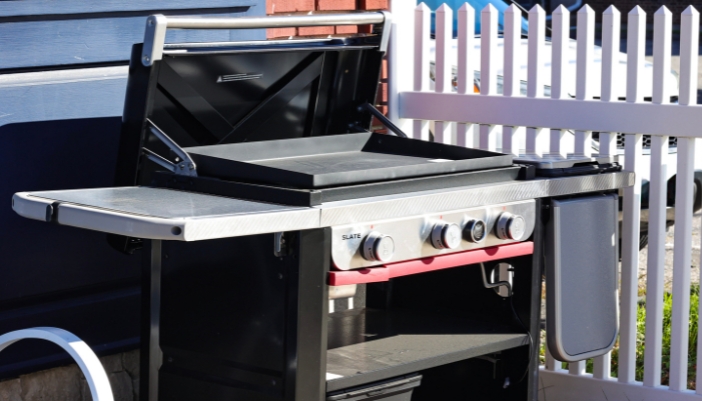
4. Electric
Electric grills may not be as popular as charcoal or gas, but they are still a great option! Because electric grills don’t use combustible fuels, they are oftentimes allowed in apartments, condos, on balconies, and other areas where an open-flame grill may not be permitted.
- Performance: Electric grills provide consistent heat and straightforward operation. While they may not reach the extreme temperatures you’re able to get from charcoal, they are still a great option for everyday grilling!
- Cost: Because the grill runs on household electricity, operating costs are generally pretty low.
- Flavor Development: Electric grills don’t naturally produce any smoke flavor, but they’re ideal for anyone who prioritizes convenience over that traditional barbeque taste.
- Burn Time: As long as there is a constant, consistent powersource, you can have your electric grill on from dawn to dusk if you wanted to! There is no time limit or any reason to keep an eye on the fuel.
- Maintenance & Cleaning: Electric grills are typically among the easiest grills to maintain and clean after usage.
Which Is Right For You?
The best grilling fuel isn't necessarily the hottest, cheapest, or most flavorful; it's the one that fits your cooking style. If authentic barbecue flavor is your top priority, charcoal and wood-fired cooking are difficult to beat. If convenience, quick start-up, and easy temperature control matter most, propane and natural gas are excellent choices. If you live in an apartment or need a simple grilling solution with minimal maintenance, electric grills may be the perfect fit. Ultimately, every fuel type has strengths and tradeoffs. Understanding how each performs can help you choose a grill you'll enjoy using for years to come.
Still not sure which fuel type is right for your backyard? Stop by your local Hallock's and explore our selection of charcoal, gas, pellet, and electric grills. Our team can help you find the perfect setup for your cooking style, budget, and outdoor space.